
What’s Holding Back Your Line? The End-of-Line That Isn’t Keeping Up.
What’s holding back your line may be an end-of-line solution that can’t keep up with production demands. When this final stage slows down, bottlenecks build, efficiency drops, and overall output suffers. Upgrading to a faster, more reliable end-of-line system can help streamline operations, reduce delays, and keep your production flow running smoothly from start to finish.
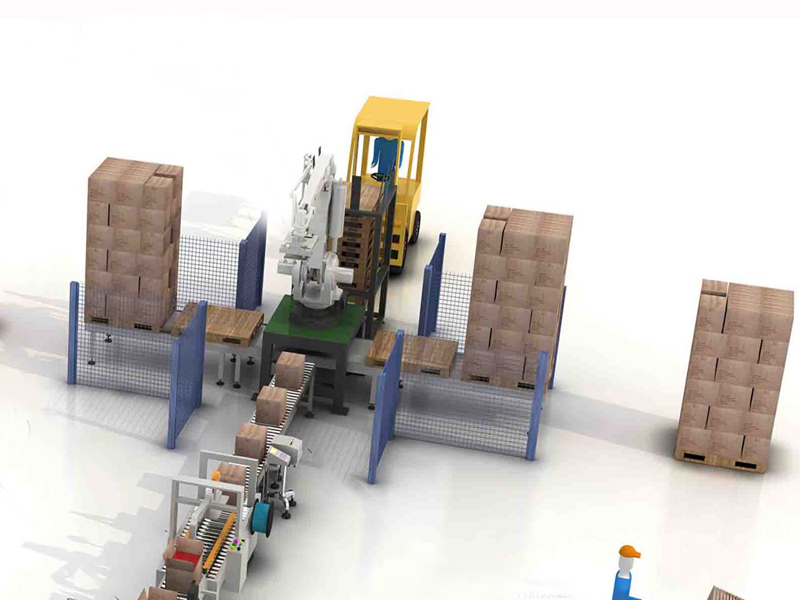
Is Your Line Falling Behind? Fix the End-of-Line Bottleneck.
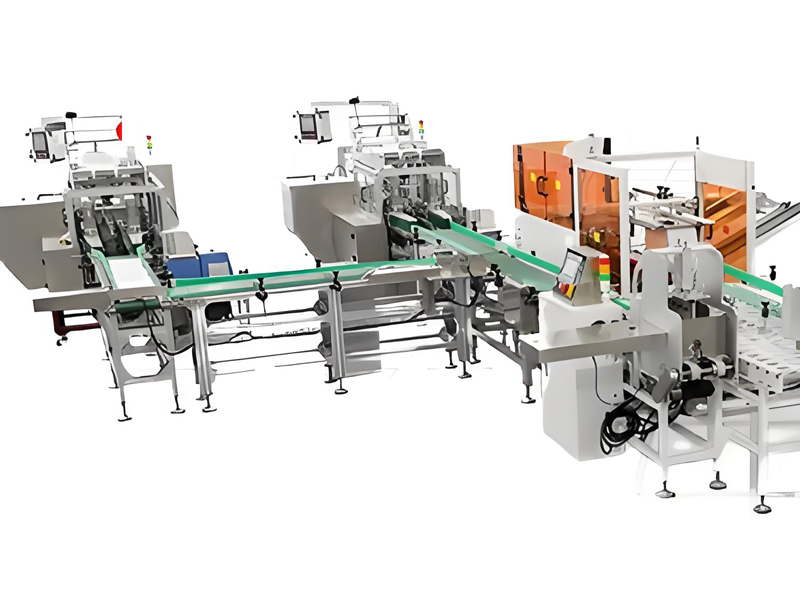
I see the same pattern again and again: the line starts strong, then the last station slows everything down. Boxes wait. Pallets stack up. Workers keep moving, yet output still drops. The problem is not always the machine in front. Many times, the real choke point sits at the end of the line.
When I look at an underperforming line, I do not start with guesses. I watch the last step first. Packing, labeling, sealing, case forming, palletizing, inspection. One small delay there can hold back the whole flow.
I usually break the fix into simple steps.
I map the full line.
I check each station and note the cycle time. I compare the fastest step with the slowest step. The gap often shows where the line is losing speed.
I watch the handoffs.
Many bottlenecks come from transfer points, not from the main process. A box may move from one station to another without a clean handoff. A worker pauses to realign it. A sensor misses it. The line waits for a reset.
I remove extra motion.
If a worker has to walk, bend, reach, or turn too much, the line loses seconds every cycle. Those seconds add up fast. I look for tools, parts, labels, tape, and pallets that sit too far away. Small changes here can cut delay in a clear way.
I make checks simple.
At the end of the line, too many checks can slow everything. I keep the needed checks and remove the rest. If a team must verify weight, print quality, seal quality, and pack count, I place the checks in a clean order. I avoid repeated handling.
I balance people and machines.
A line can fall behind when one station gets too much work and another sits idle. I match staffing to demand and shift work where I can. If palletizing is slow, I look at split tasks, better layout, or support from a buffer zone.
I use a small buffer with care.
A buffer can protect flow, but a large buffer can hide problems. I keep just enough space to absorb short stops. Then I still track the real cause. I do not let a pile of waiting product become a bad habit.
I test the fix with live output.
A clean plan on paper can fail on the floor. I like to test the change during normal work. Then I watch the line for missed labels, jam points, slow pick-up, or long pauses at the last station. I keep the change only if it helps the full line, not just one part.
I once saw a packing line that kept missing its daily target. The front end ran well, but the last operator had to turn every case by hand before palletizing. That one motion slowed the whole line. We changed the layout, moved the pallet closer, and cut the extra turn. Output improved without adding pressure on the team. The fix was small. The result felt large.
That is why I always look at the end-of-line bottleneck with fresh eyes. The issue is often plain once I watch the flow step by step. If the line is falling behind, I do not chase every station at once. I start where the delay gathers, clear the block, and let the line move at a steady pace again.
When Your Line Slows Down, End-of-Line Is Usually the Problem.

When my line slows down, I do not start by blaming the main machine.
I look at the end of the line.
That is where I find a lot of hidden loss. The last stage often looks simple. Boxes move out, products get packed, labels get checked, pallets get built. It feels like the easy part. In my work, that is also the place where small delays grow into a full stop.
A line can run well in the middle and still miss its target because the end cannot clear product fast enough.
I have seen this in food plants, carton packing rooms, and light assembly lines. The pattern is usually the same. A machine upstream keeps pushing product, the exit area gets crowded, and the whole line starts to wait. Operators feel pressure. Output drops. Overtime goes up. The real problem sits at the end.
What I check first is simple.
I watch the flow from the last process to the pallet or dispatch point.
If cartons pile up near the discharge area, I know the end-of-line is not matching the speed of the rest of the line.
If workers keep pausing to clear jams, adjust bags, or re-stack cases, I know the bottleneck is not random.
If the line runs well for ten minutes and then slows again, I look at the transfer point, the packing method, and the space around the final station.
The end of the line must move at the same rhythm as the rest of the system. If it cannot, the whole line pays for it.
I like to break the problem into clear parts.
Check the exit flow
I start with the last machine or station.
Does product leave it smoothly?
Does it drop, slide, or transfer without hanging up?
A small gap, a weak guide rail, or a bad belt speed can create a daily delay. I once worked with a plant that kept seeing carton jams at the last conveyor. The team blamed the cartoner. The cartoner was fine. The issue was a short transfer belt that ran slightly slower than the machine feeding it. The fix was not large. The result was.
Check the packing area
End-of-line work often depends on people.
If operators have to reach too far, bend too much, or turn around for supplies, the pace drops.
I pay attention to how cartons, tape, labels, inserts, and pallets are placed. If supplies are scattered, the station loses seconds every cycle. Those seconds add up fast.
I prefer a clean setup:
- materials close to the hand
- clear walking paths
- no extra motion
- stable work height
- enough space to remove finished goods
Small waste here can slow everything.
Check the load build
Palletizing and case stacking can create a quiet block.
The line may keep making product, but the load area fills up. Then workers stop the flow while they clear space, wrap film, or move pallets away.
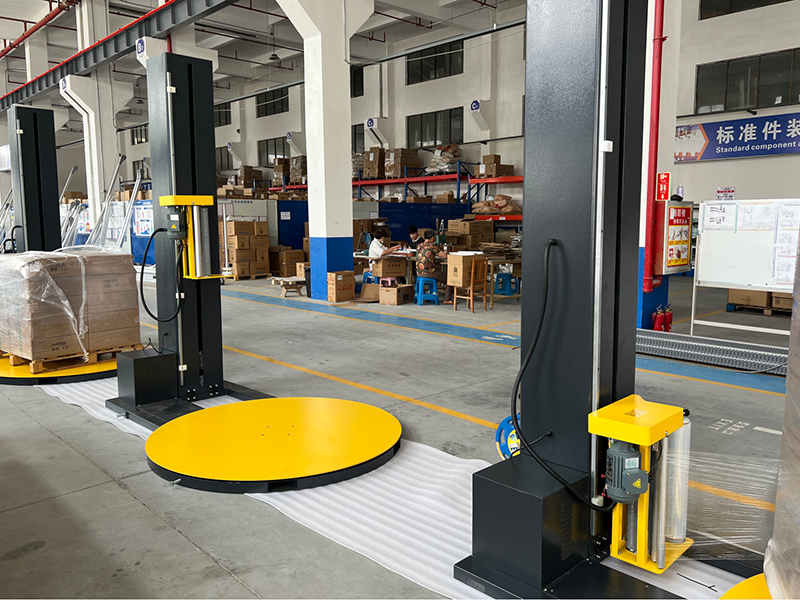
I have seen a line lose output because the pallet wrap station sat too close to the discharge point. Every time a pallet finished, the operator had to wait for forklift access. The line kept producing, but the end had no room. After the layout changed, the flow became smoother.
Check the controls
Sometimes the slowdown comes from the logic, not the hardware.
Sensors may trigger too early. A timer may be too long. A reject gate may hold product for a moment too much. A conveyor speed may not match the next station.
I always ask for the line data. Stops, jams, rejects, and micro-pauses tell the real story. People often remember the big stop. The small ones are what hurt the most.
Check the handoff between people and machines
At the end of the line, work often changes from machine speed to human speed.
That handoff matters.
If a machine delivers product faster than a person can pack or sort it, the queue grows. If the person waits for the machine, time gets lost again. The balance has to be right.
I like to test this by running the line at a steady pace and watching where the wait starts. That tells me if I need another operator, a faster transfer, a better layout, or a change in pack size.
What I do when I want the line to recover
I keep the fix practical.
I do not start with large changes.
I watch the end station for one full shift.
I mark every stop and every short pause.
I compare the machine speed with the pack-out speed.
I remove clutter from the area.
I move supplies closer.
I make the transfer path shorter and cleaner.
I check whether the last station can keep up during the busiest part of the shift, not only during a calm run.
This is where many teams miss the answer. They look at the first machine because it is loud, visible, and expensive. The end-of-line is less dramatic. It still controls the result. If the end cannot clear product, the start has no value.
A simple example stays with me.
A small snack plant had a line that should have filled cases without trouble. The team kept tuning the filler and sealing unit. The slowdown never left. When I stood at the end of the line, I saw the issue in minutes. The case erector was fine. The carton flow was fine. The real delay came from a narrow gap near the pallet area. Finished cases had to turn too sharply before loading. One small layout change removed the drag. The line speed improved without touching the main process.
That is why I trust the end-of-line check.
It gives me a clear place to start.
It shows me the real bottleneck.
It helps me fix the part that controls the whole flow.
When a line slows down, I do not chase the loudest machine.
I look at the end.
That is where the system usually tells the truth.
Keep Your Line Moving with Smarter End-of-Line Control.
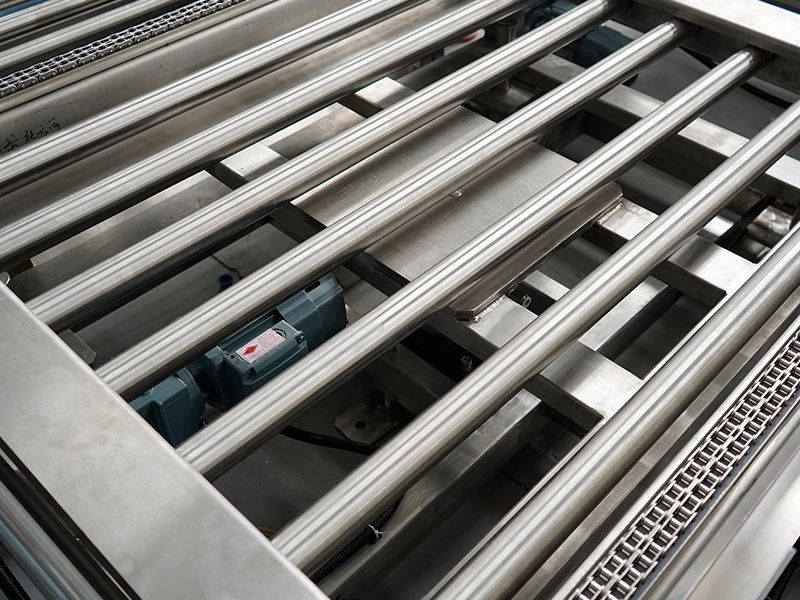
I have seen a packaging line lose output for a simple reason: the end of the line was doing too much work with too little control. One carton missed a label check. A pallet arrived with the wrong stack pattern. A reject gate waited a little too long. The line slowed, the crew started to watch the screen, and everyone felt the pressure build.
That is why I pay close attention to end-of-line control. I do not treat it as the last step. I treat it as the point where quality, flow, and tracking all meet. If this point is weak, the whole line feels it. If this point is steady, the line feels easier to run.
What I look for first is a clear flow path.
I want each product to move through the last stage without confusion. Cartons, cases, trays, and pallets should follow a set route. I want sensors to confirm position. I want the controller to know what is moving, what is waiting, and what needs action. When the system sees each unit clearly, the line has fewer stops and fewer hand checks.
I also want the inspection step to be simple and direct.
In one food plant I worked with, workers were checking case labels by eye at the end of the line. They did their best, yet misses still happened. A camera check and a basic reject unit changed the routine. The team could spot a problem before it reached the palletizer. The line ran with less guesswork, and the shift lead spent less energy chasing small issues.
My next focus is data that operators can use.
A control screen should not feel crowded. I want clean alarms, easy counts, and a clear view of fault points. If a box jams near the diverter, I want the operator to know where it happened and what to check. If the palletizer pauses, I want the reason to be visible without a long search. Good control helps people act with confidence.
I also care about the handoff between machines.
This is where many lines lose rhythm. A case packer may run well, yet the palletizer waits. A conveyor may feed too fast, yet the wrap station cannot catch up. Smarter end-of-line control helps each unit speak to the next one. The pace stays balanced. The crew sees fewer piles, fewer waits, and fewer last-minute fixes.
A few steps help me keep that balance:
- Set clear rules for each product path
- Use sensors to confirm position and movement
- Add simple checks for label, count, and stack pattern
- Keep alarm messages short and easy to read
- Match conveyor speed to the slowest linked station
- Review stop points and repeat faults with the team
I prefer this kind of setup because it respects the people on the floor. Operators do not need more noise. They need clear signals. Maintenance teams do not need vague alerts. They need the fault point and the likely cause. Production leaders do not need a long report after every stop. They need a line that shows problems before they spread.
A small example stays with me. On one beverage line, a pallet stretch wrapper kept waiting for loads that came in uneven bursts. The team adjusted the end-of-line controls, added a buffer zone, and tuned the release logic. The change was not dramatic on paper, yet the shift felt calmer. Cartons kept moving. The pallet area stayed organized. The crew had fewer rush moments and less rework.
That is my view of smarter end-of-line control. It is not about making the line feel complex. It is about making the last stage easier to trust. When the control is clear, the checks are steady, and the handoff is smooth, the line keeps moving with less friction.
The Hidden Bottleneck Dragging Your Production Line Down.

I keep seeing the same problem on production floors: the line looks busy, yet output stays low.
The machines run. The team stays active. Material moves.
Then one small point slows everything down.
That hidden bottleneck is hard to spot at first. It may be one manual check, one slow conveyor, one packing step, one approval step, or one machine that loses more minutes than anyone expects. The line does not stop all at once. It loses pace in small pieces, and those small losses add up.
I have seen this in a packaging line where the filling unit worked well, the label station kept moving, and the problem sat at the hand inspection table. Every shift, the table built a small queue. The rest of the line waited. The team thought the issue was upstream. It was not. One station held back the full flow.
What I look at
I start with the full path of the product.
I watch where the work slows.
I check where people wait.
I check where parts pile up.
I check where quality checks repeat the same work.
I check where a machine runs below its normal pace.
I check where changeovers take longer than expected.
A bottleneck does not always look broken. Many times, it looks normal. That is what makes it hidden.
Common signs I use
- One station always has a small queue
- One operator feels rushed all day
- One machine shows more short stops than the others
- WIP keeps building in one area
- Output drops after break, shift change, or product change
- The line reaches target speed only for short periods
If I see two or more of these signs, I start digging deeper.
What usually causes the drag
A line can lose output for simple reasons.
A task may take too long.
A machine may need extra cleaning or reset time.
A team may lack a clear work method.
A layout may force extra walking.
A material feed may arrive late.
A quality check may sit too far from the main flow.
A small issue can sit inside a large process. That is why I do not rely on one quick look. I spend time at the line, talk with the operators, and follow the job step by step.
How I work through it
I map the whole line.
I time each step.
I compare the real pace with the target pace.
I mark every place where work waits.
I separate normal delay from repeat delay.
I ask the people on the floor what they see every day.
I test one change at a time.
That last part matters a lot. If I change too many things at once, I lose the link between cause and result. A clean test gives me a clear answer.
A real example
I worked with a small food pack line that missed daily output even though every machine looked fine. The team thought the filler was the issue.
I watched one full run.
The filler stayed steady.
The seal unit stayed steady.
The delay came from a tray-loading step done by hand.
The operator had to turn, reach, place, and align each tray. The motion seemed small. The effect was not small.
We changed the table height, moved the trays closer, and adjusted the hand path. The line ran with less waiting. No big rebuild. No hard sell. Just a better flow.
What I believe works best
I like simple fixes that fit the line.
Clear work order
Short walking paths
Easy access to tools and parts
Better balance across stations
Fewer hand-offs
Cleaner rules for changeover
Stronger first-pass quality
Each of these can cut drag without forcing a large spend.
I also pay attention to people. A good operator often knows where the line loses time before any chart shows it. When I listen well, I get better answers than I get from numbers alone.
My view
A production line rarely loses speed because of one large failure. It more often loses speed because of one small hidden point that keeps asking for extra time.
That is why I do not chase the loudest problem first. I look for the quiet one.
The quiet one is often the bottleneck.
When I find it, I focus on flow, not noise. I keep the fix simple. I watch the next run. I measure again. I stay close to the floor until the delay is gone or clearly reduced.
That is the part many teams miss. The issue is not always the machine that looks worst. The issue is the step that slows everyone else down.
Don’t Let End-of-Line Slow the Whole Operation.

I have seen the same problem many times.
The line runs well through production, then everything slows near the end.
Boxes wait.
Labels pile up.
Pallets sit in place.
One small delay at end-of-line can hold back the whole operation, and the pressure usually shows up right where people can see it: missed shipping windows, extra labor, rushed checks, and frustrated teams.
I do not look at end-of-line as a small step.
I treat it as the point where output becomes usable business value.
If that point slows down, the rest of the effort loses value too.
That is why I pay close attention to what happens after the product leaves the main process.
I start with one simple question:
Where does the flow stop?
In many plants, the answer is easy to spot.
A filling line may run at full speed, while packing uses manual work.
A test station may handle fewer units than the line above it.
A labeling area may stop every few minutes for setup or rework.
A palletizing team may wait for finished cases because the conveyor feeds them unevenly.
I have watched this happen in a beverage plant.
The filling and capping section stayed steady all day.
The slowdown came from manual carton sealing.
Three workers kept up when the line was calm.
When demand rose, cartons backed up near the end.
The line did not fail at the core process.
It failed at the last handoff.
That plant did not need a full rebuild.
It needed a better end-of-line flow.
Here is how I approach it.
I map the last part of the process.
I look at every handoff after the main operation:
pack
label
inspect
sort
case pack
seal
stack
wrap
ship
Then I ask one thing for each step:
Does this step move at the same pace as the line before it?
If the answer is no, I look for the reason.
Sometimes the issue is labor.
One person leaves.
Another person works slower than the rest.
A new hire needs more support.
Sometimes the issue is machine speed.
The conveyor is too short.
The carton sealer stops often.
The printer needs frequent reset.
Sometimes the issue is layout.
Workers walk too far.
Material sits in the wrong place.
Finished goods move in loops instead of a straight path.
Small gaps like these create a large delay.
My next step is to reduce waiting.
I try to make the end-of-line area easy to feed and easy to clear.
I keep materials close to the point of use.
I remove extra movement.
I separate good flow from rework flow.
I give the team a clear place for finished goods, a clear place for rejects, and a clear place for packing material.
This sounds simple.
It works because people spend less time searching and less time crossing paths.
I also look at balance.
A line works best when each part can support the next part.
If one station is much slower, the whole line feels it.
If one station is much faster, product piles up and creates stress.
I like to compare the pace of each step against real output, not planned output on paper.
Paper can hide a lot.
The floor tells the truth.
A good example came from a small electronics plant I worked with.
They had a stable assembly line, but end-of-line testing caused delays.
The test bench had one operator, one scanner, and one printer.
When labels failed to print, the operator paused the line.
When the scanner read slowly, cartons stacked up.
The fix was not complicated.
They added a second scan point, moved supplies closer, and changed the station layout so the operator did less turning and reaching.
The line became easier to manage.
The team felt the change at once.
I also watch for mistakes that repeat.
A slow end-of-line area often hides quality problems.
A label prints in the wrong place.
A box is packed the wrong way.
A seal is weak.
A pallet is arranged badly.
Each mistake adds a small delay, then the delay spreads.
I prefer to catch those issues near the source.
If the same error appears again, I do not blame the worker alone.
I ask what the process allows.
A clear work method, simple visual cues, and steady material supply can prevent many of those repeat stops.
What I value most is flow.
Not speed for its own sake.
Flow.
When end-of-line flows well, the whole operation feels lighter.
People move with less stress.
Supervisors spend less time chasing problems.
Orders leave with fewer last-minute changes.
That is the outcome I want.
If I had to give one practical rule, it would be this:
Do not wait for the whole line to slow before you inspect the last step.
Watch the end-of-line area early.
Measure the wait.
Watch the handoff.
Listen to the team.
A line often fails at the place where people think the job is almost done.
I have learned to respect that point.
When I give the last step the same attention as the first step, the operation stays smoother, and the team has a better day.
That is how I keep the end from becoming the place where everything slows down.
Interested in learning more about industry trends and solutions? Contact Fanny: cs-conveyor@wxcsjm.com/WhatsApp +8618921137719.
References
Michael R. Turner 2023 Improving End of Line Flow in Modern Packaging Lines
Sarah L. Bennett 2022 Identifying Hidden Bottlenecks in Production Line Operations
David Chen 2021 Smarter End of Line Control for Faster Throughput
Emily Watson 2024 Packaging Line Balance and Transfer Point Optimization
Robert J. Miller 2020 Practical Methods for Reducing Waiting Time in Assembly and Packaging Systems
Linda K. Foster 2023 Layout Changes That Improve End of Line Efficiency


August 18, 2026
Stop guessing and bring complete clarity to your end-of-line performance. End-of-line testing is the final, most critical quality gate before shipment, protecting product quality, lowering warranty
Email to this supplier
August 18, 2026