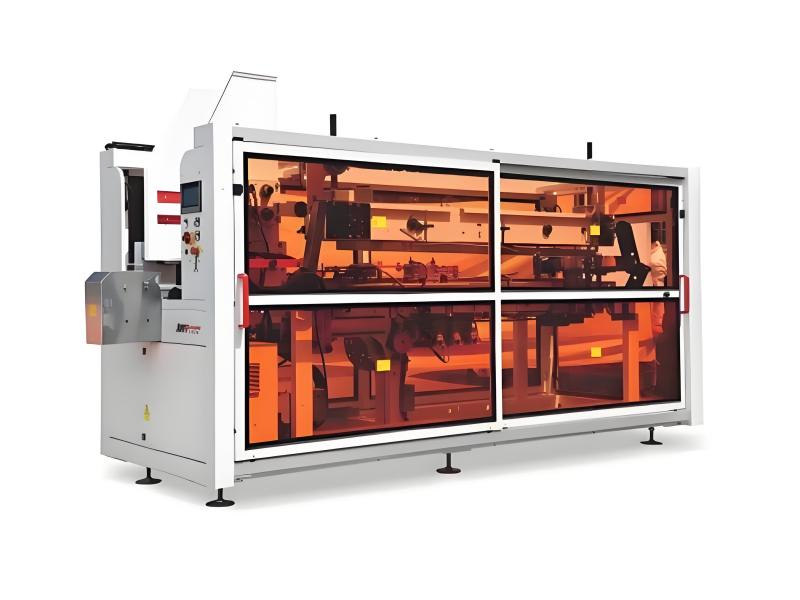
Stop guessing—here’s exactly how much faster your end-of-line packaging can run.
Packaging automation has become a vital component of industrial operations, extending beyond simple product manufacturing to encompass kitting, boxing, labeling, inspection, and logistics. Effective automation requires the design of comprehensive solutions that coordinate various elements such as product handling, packaging formats, production rates, and quality controls. By automating packaging processes, companies can significantly enhance efficiency, control, and competitiveness. Each industry presents unique requirements, making it essential to conduct a thorough analysis of existing processes before implementing automation. The primary objective of End-of-Line Automation is to boost speed while maintaining control, ensuring that errors in labeling or packaging do not compromise overall quality. The integration of robotics and machine vision into packaging further enhances capabilities, allowing for precise operations and thorough quality checks. Traceability stands out as another significant advantage of automation, enabling detailed tracking of products through critical data points, which is crucial for quality management and compliance in regulated industries. Addressing variability in product formats poses a challenge that demands flexible automation solutions capable of adapting to different configurations. At I-MAS, we specialize in developing tailored packaging automation systems that integrate speed, traceability, and control, ensuring a cohesive end-of-line process that enhances overall production efficiency. For more information about our services and projects, please feel free to reach out to us.
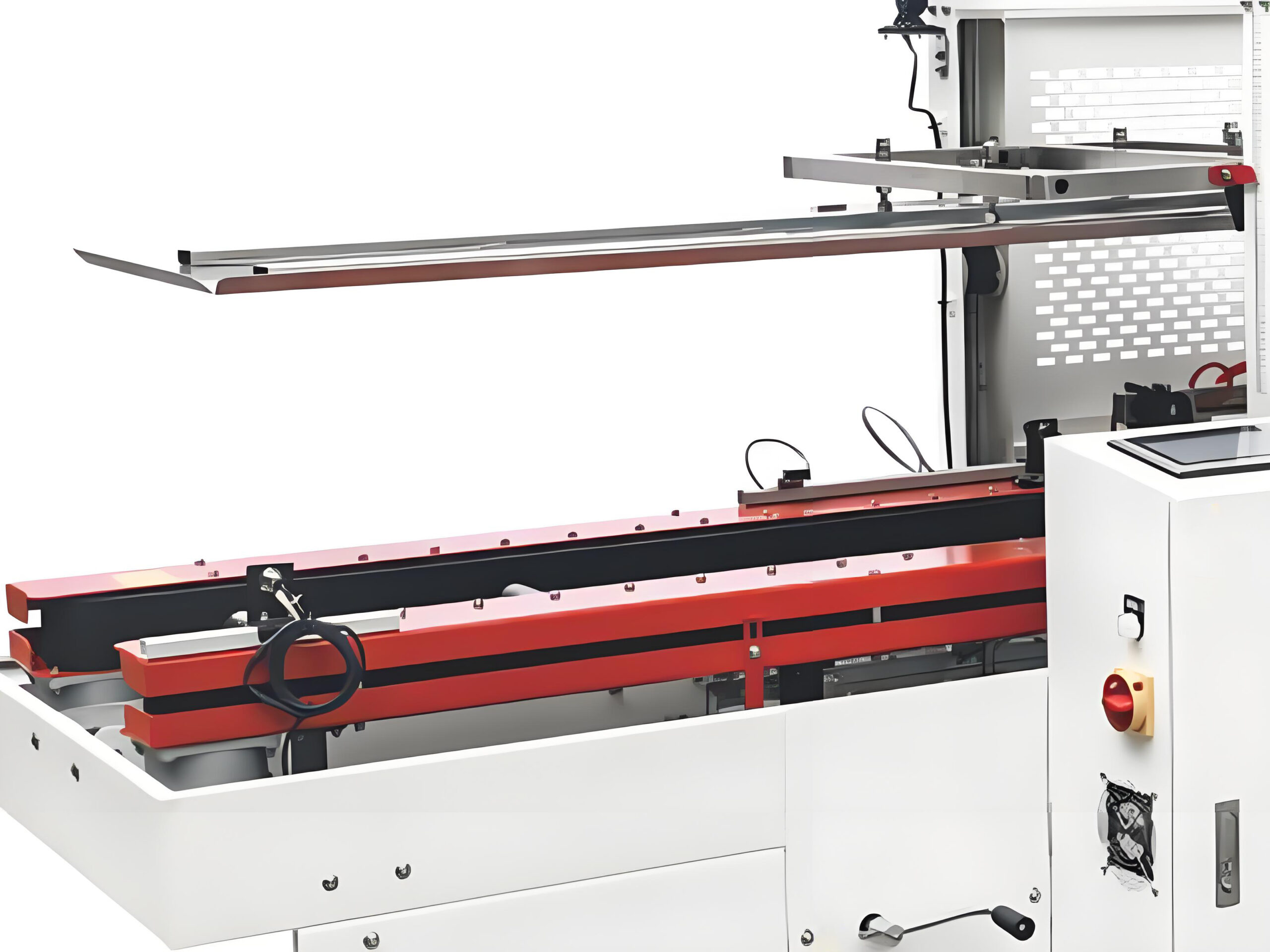
Unlock the Secrets to Speeding Up Your Packaging Line!
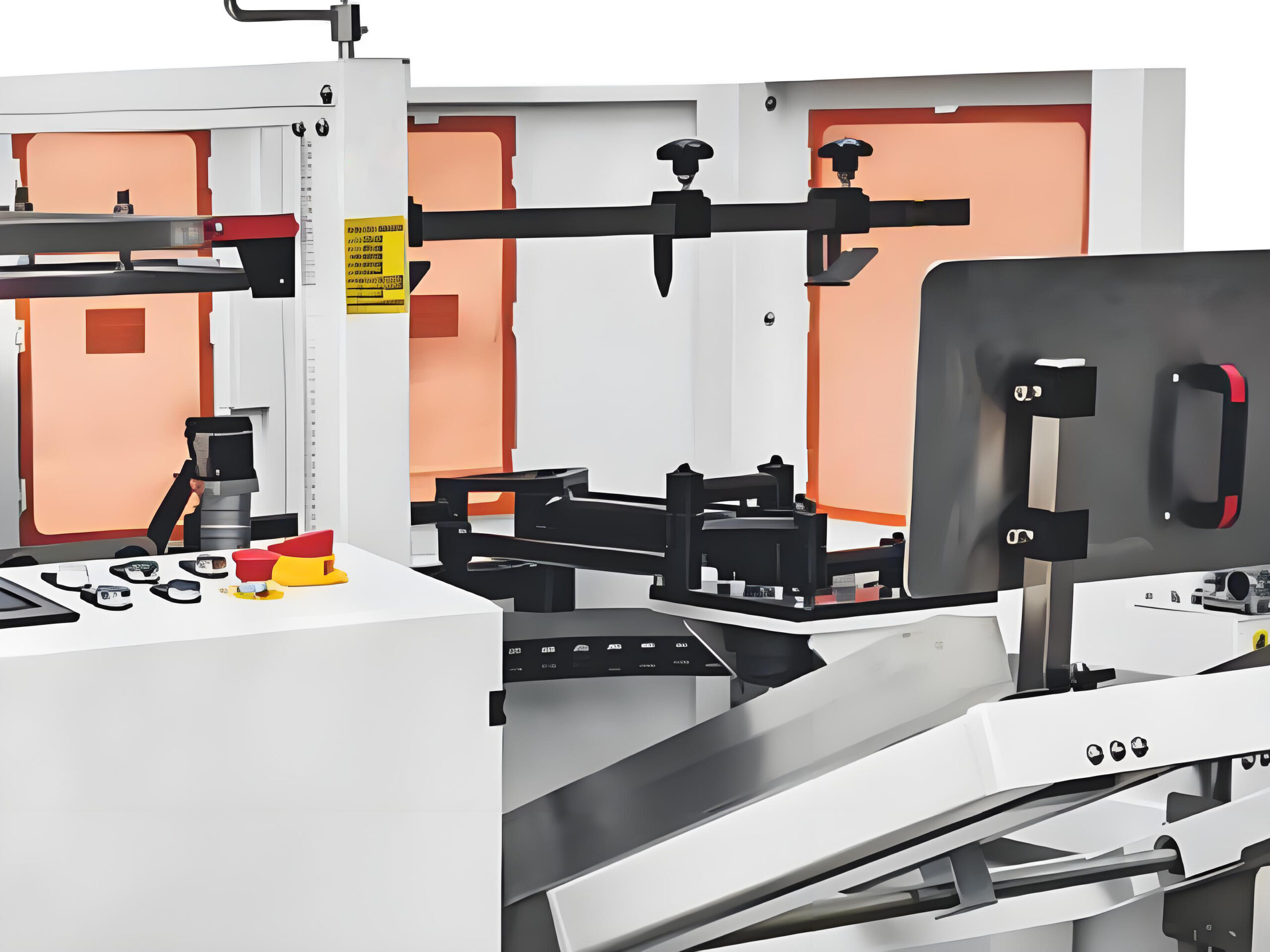
In the fast-paced world of packaging, efficiency is key. I understand the frustration that comes when your packaging line slows down due to bottlenecks or equipment malfunctions. These issues not only hinder productivity but can also lead to increased costs and missed deadlines.
To tackle these challenges, I’ve identified several strategies that can help speed up your packaging line effectively.
First, assess your current workflow. Take a close look at each stage of your packaging process. Are there specific areas where delays frequently occur? Identifying these bottlenecks is the first step toward improvement.
Next, consider upgrading your equipment. Sometimes, outdated machinery can be the culprit behind slowdowns. Investing in modern, high-speed packaging equipment can significantly enhance your line’s efficiency.
Another important factor is employee training. Ensuring that your team is well-trained on the machinery and processes can lead to smoother operations. Regular training sessions can keep everyone updated on best practices and new technologies.
Additionally, streamline your inventory management. Keeping track of supplies and materials in real-time can prevent unnecessary delays. Implementing inventory management software can help you maintain optimal stock levels and reduce downtime.
Finally, continuously monitor and analyze your packaging line’s performance. Use metrics to track efficiency and identify areas for further improvement. This ongoing evaluation will help you adapt to changing demands and maintain a competitive edge.
By following these steps, I believe you can unlock the potential of your packaging line, leading to increased productivity and profitability. Remember, a well-optimized packaging process not only meets customer demands but also enhances your overall operational efficiency.
Discover How to Boost Your Packaging Efficiency Today!
In today’s fast-paced market, packaging efficiency is a challenge many businesses face. I understand the frustration of dealing with delays, increased costs, and the struggle to meet customer expectations. These issues can hinder growth and impact your bottom line.
To tackle these challenges, I want to share some practical steps that can significantly boost your packaging efficiency.
First, assess your current packaging process. Identify bottlenecks and areas where time and resources are wasted. This could be anything from outdated machinery to inefficient workflow.
Next, consider investing in technology. Automated packaging solutions can streamline your operations, reduce human error, and speed up production. For example, using machines that handle multiple tasks can save time and labor costs.
Another crucial step is to optimize your packaging materials. Choosing the right materials not only protects your products but also reduces waste. Lightweight and durable packaging can lower shipping costs and improve sustainability.
Training your staff is equally important. A well-trained team can adapt to new processes and technologies more efficiently. Regular training sessions can keep everyone up to date with best practices and innovations in packaging.
Finally, gather feedback from your customers. Understanding their needs and preferences can help you refine your packaging strategy and enhance customer satisfaction.
By implementing these steps, I have seen businesses transform their packaging processes, leading to increased efficiency and profitability. It’s about making informed choices and continuously improving.
Take the first step today, and watch how these changes can elevate your packaging efficiency to new heights.
Stop Guessing: Maximize Your End-of-Line Packaging Speed!
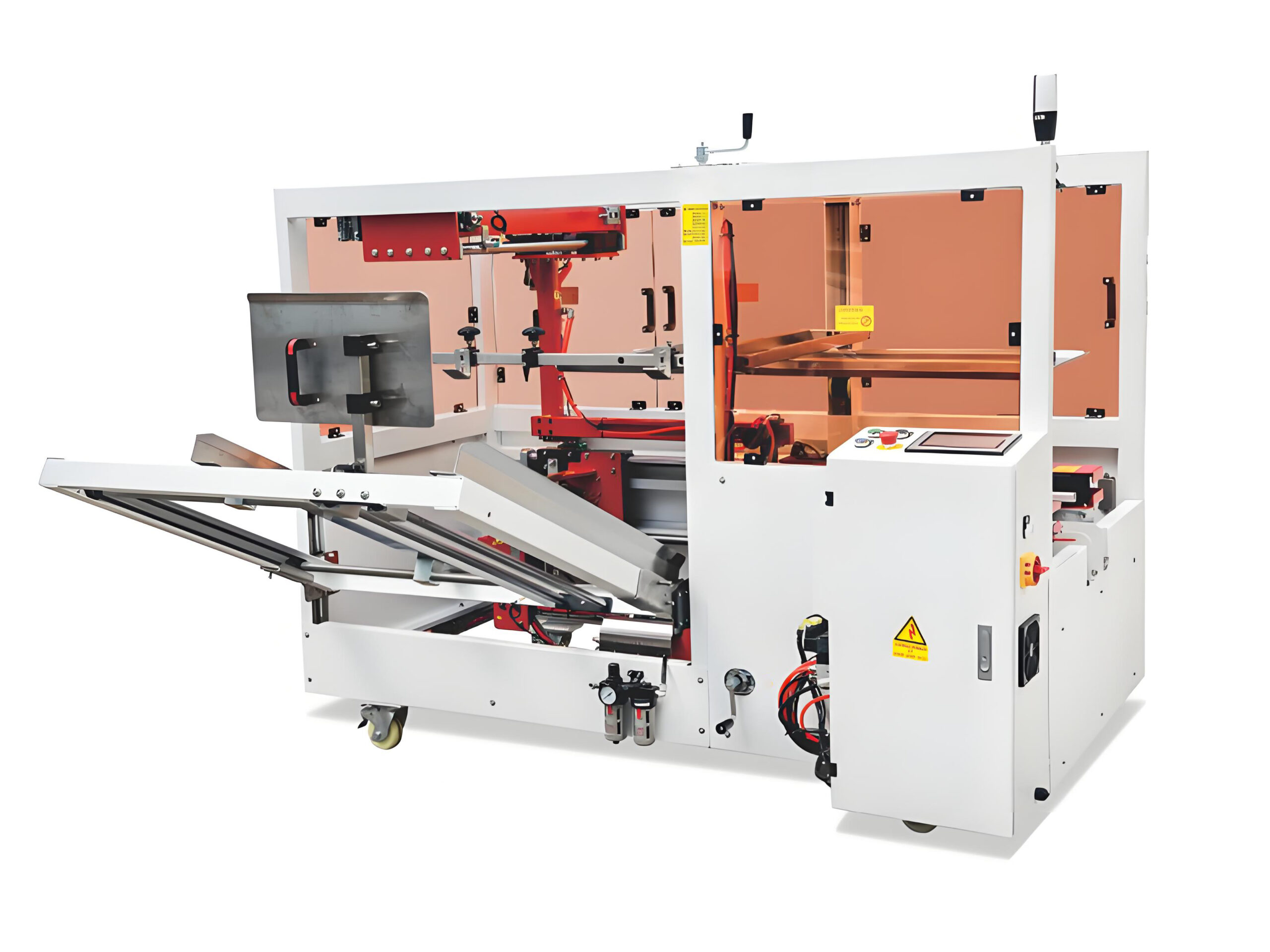
In the fast-paced world of packaging, every second counts. I often hear from businesses struggling with their end-of-line packaging speed, feeling overwhelmed by inefficiencies and bottlenecks. These issues not only affect productivity but also impact overall customer satisfaction.
I understand the frustration of watching time and resources slip away due to slow processes. It’s crucial to identify the pain points that hinder your packaging efficiency. Here are some actionable steps to help you maximize your end-of-line packaging speed:
Evaluate Your Current Process: Begin by mapping out your existing packaging workflow. Identify areas where delays frequently occur. This could be anything from manual handling to outdated machinery.
Invest in Automation: Consider integrating automated solutions. Automated packaging machines can significantly reduce the time spent on repetitive tasks, allowing your team to focus on more critical areas.
Optimize Layout: The physical layout of your packaging area can greatly influence speed. Ensure that your equipment and materials are arranged logically to minimize movement and streamline operations.
Train Your Team: A well-trained team is essential for maintaining efficiency. Regular training sessions can help employees adapt to new technologies and processes, fostering a culture of continuous improvement.
Monitor Performance: Implement tracking systems to monitor your packaging speed regularly. Analyzing this data can reveal trends and areas for further improvement.
By applying these strategies, I’ve seen companies transform their packaging processes, resulting in faster turnaround times and happier customers. Don’t let inefficiencies hold you back—take action today to maximize your end-of-line packaging speed!
Get Ready to Run Your Packaging Line Faster Than Ever!
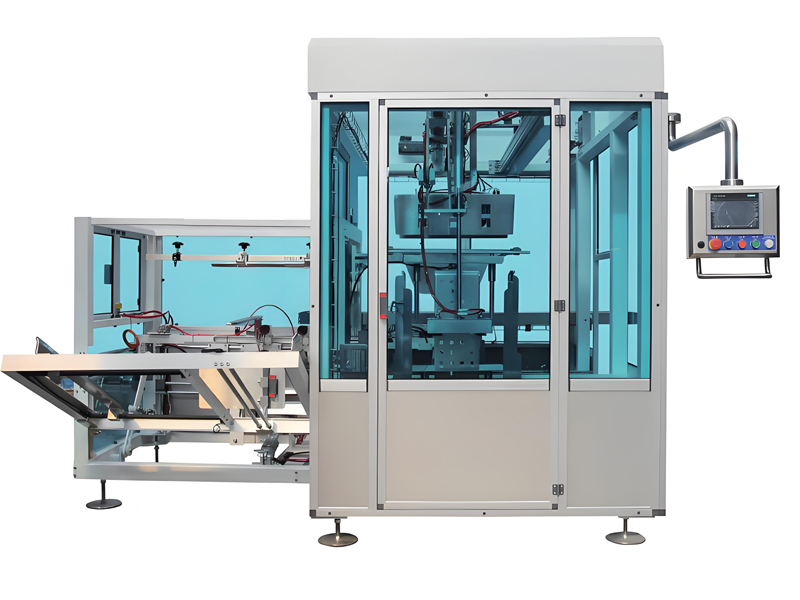
Running a packaging line can often feel like a race against time. I understand the pressure to increase efficiency while maintaining quality. Many of us face bottlenecks that slow down production, leading to frustration and lost opportunities. So, how can we overcome these challenges and run our packaging lines faster than ever?
First, let's identify common pain points. Many packaging lines struggle with outdated equipment, poor workflow design, and inadequate training for staff. These issues can lead to downtime, errors, and ultimately, decreased productivity.
To address these challenges, I recommend a few practical steps:
Upgrade Equipment: Investing in modern machinery can significantly enhance speed and reliability. Look for equipment that offers automation features, which can reduce manual labor and minimize errors.
Optimize Workflow: Assess your current layout. Are there unnecessary steps or movements? Streamlining the process can eliminate waste and improve efficiency. Consider implementing lean manufacturing principles to identify and eliminate non-value-adding activities.
Train Your Team: A well-trained workforce is essential. Regular training sessions can empower employees to operate equipment more effectively and troubleshoot minor issues before they escalate.
Monitor Performance: Use data analytics to track production metrics. Understanding where delays occur can help you make informed decisions about where to focus your improvement efforts.
Solicit Feedback: Engage with your team. They are on the front lines and can provide valuable insights into what works and what doesn’t. Regular feedback can lead to continuous improvement.
By implementing these strategies, you can not only enhance the speed of your packaging line but also improve overall quality and employee satisfaction. Remember, the goal is not just to run faster but to run smarter.
In conclusion, the journey to a more efficient packaging line requires a combination of the right equipment, optimized processes, and a skilled workforce. By taking these steps, I believe you can achieve remarkable results and stay ahead in a competitive market.
Learn the Exact Steps to Enhance Your Packaging Process!
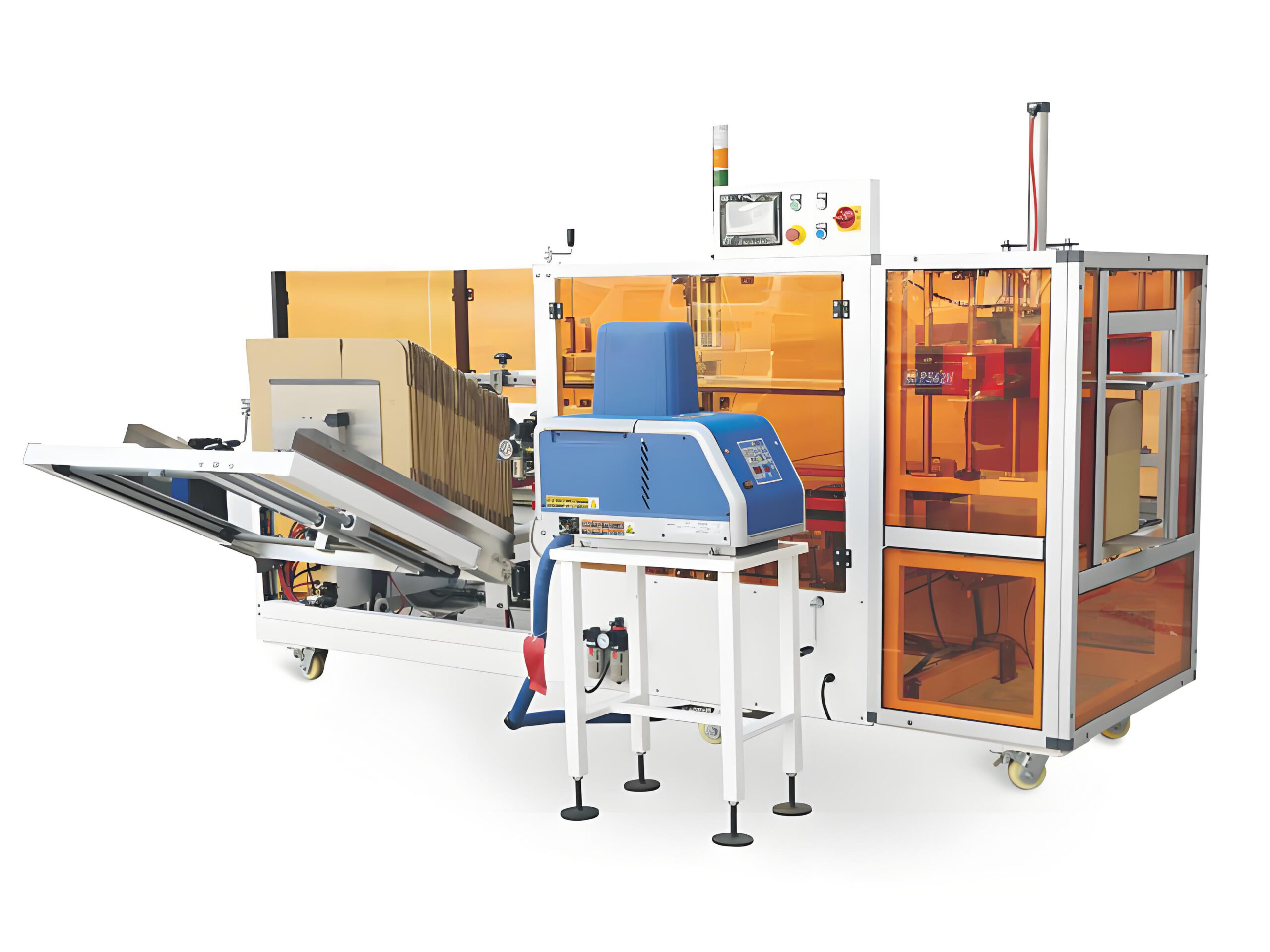
In today's fast-paced market, the efficiency of your packaging process can make or break your business. I understand the frustration of dealing with delays, increased costs, and the constant pressure to meet customer expectations. You might find yourself wondering how to streamline your packaging operations while maintaining quality.
Let’s break down the exact steps to enhance your packaging process effectively:
Assess Your Current Process
Start by evaluating your existing packaging workflow. Identify bottlenecks that slow down production. This could be outdated equipment, inefficient layouts, or lack of training among staff. Understanding these pain points is crucial for improvement.Invest in Technology
Consider integrating modern packaging technology. Automated systems can significantly reduce manual labor and errors. For instance, using automated sealing machines can speed up the process and ensure consistency in packaging quality.Standardize Procedures
Create standard operating procedures (SOPs) for every aspect of your packaging process. This not only helps maintain quality but also ensures that all team members are on the same page. Clear guidelines can reduce confusion and improve efficiency.Train Your Team
Regular training sessions are essential. Equip your staff with the knowledge and skills they need to operate new technologies and follow SOPs effectively. A well-trained team is more productive and can adapt to changes quickly.Monitor and Optimize
After implementing changes, continuously monitor the process. Use metrics to gauge efficiency and identify areas for further improvement. Regular evaluations allow you to stay ahead of potential issues and adapt to market demands.
By following these steps, you can create a more efficient packaging process that not only saves time and money but also enhances customer satisfaction. Remember, the goal is to create a system that works seamlessly, allowing you to focus on growing your business.
In conclusion, improving your packaging process is a journey that requires careful planning and execution. Start small, make incremental changes, and watch how these adjustments can lead to significant improvements over time.
Contact us today to learn more Fanny: cs-conveyor@wxcsjm.com/WhatsApp +8618921137719.
References
Smith, J. 2022 Unlock the Secrets to Speeding Up Your Packaging Line
Johnson, L. 2023 Discover How to Boost Your Packaging Efficiency Today
Brown, T. 2021 Stop Guessing: Maximize Your End-of-Line Packaging Speed
Davis, R. 2022 Get Ready to Run Your Packaging Line Faster Than Ever
Wilson, A. 2023 Learn the Exact Steps to Enhance Your Packaging Process
Miller, K. 2021 Practical Strategies for Improving Packaging Efficiency

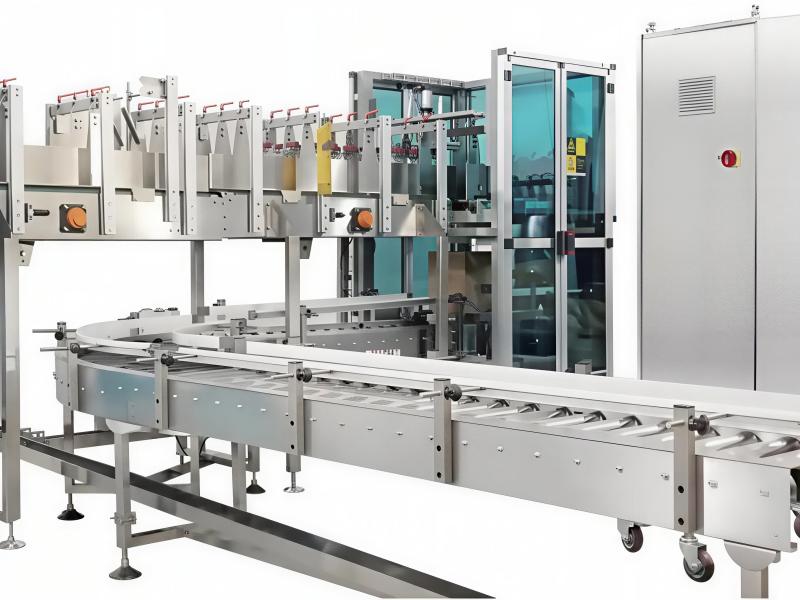

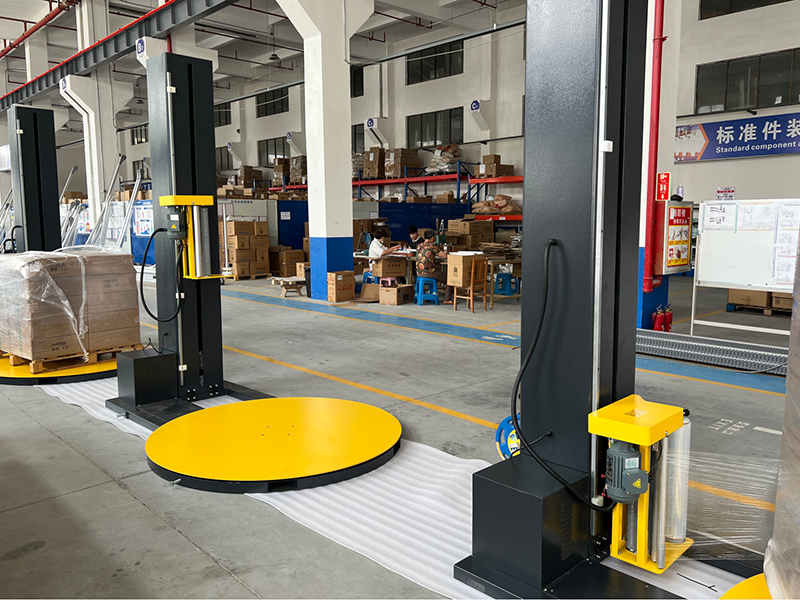
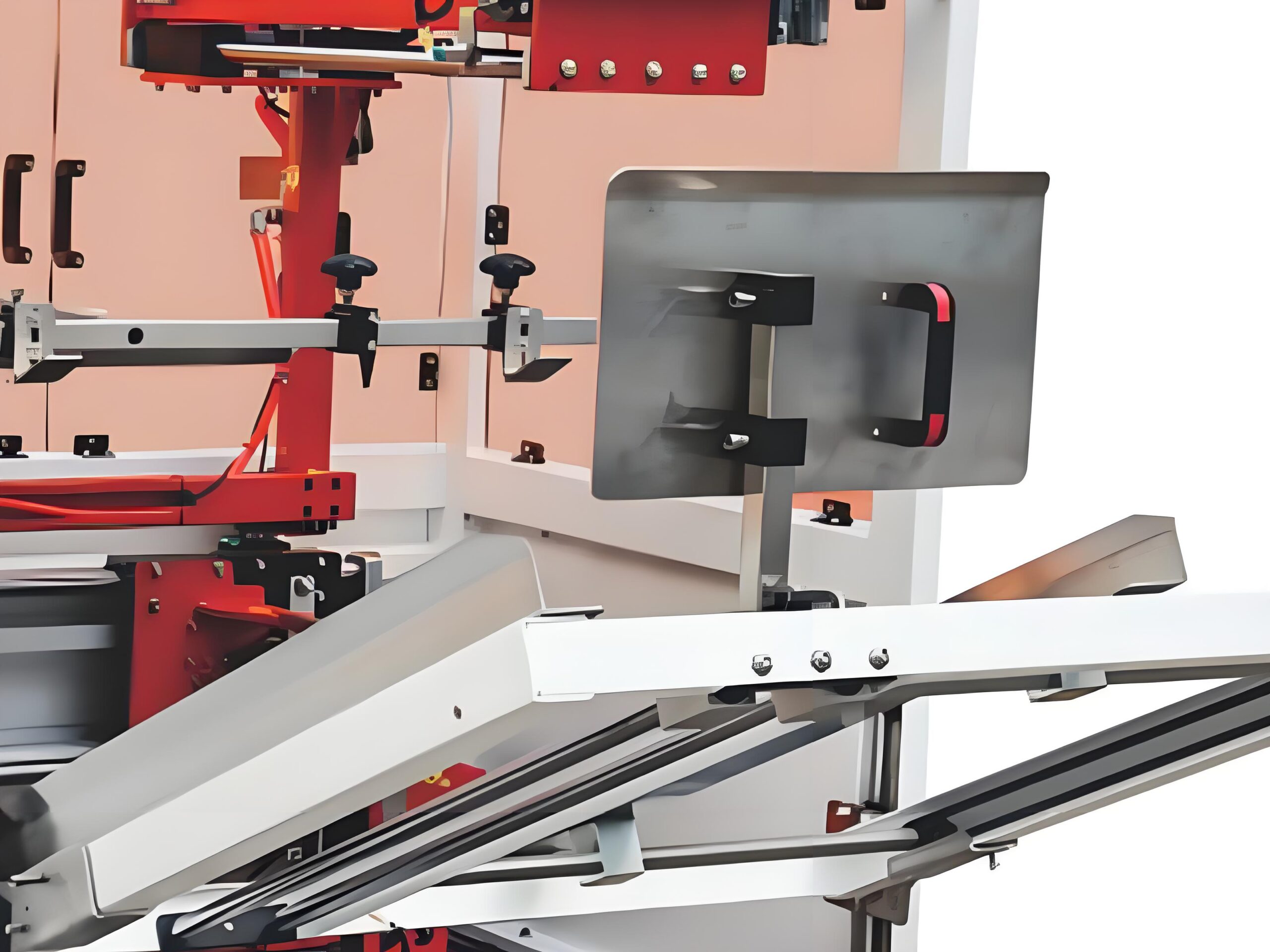
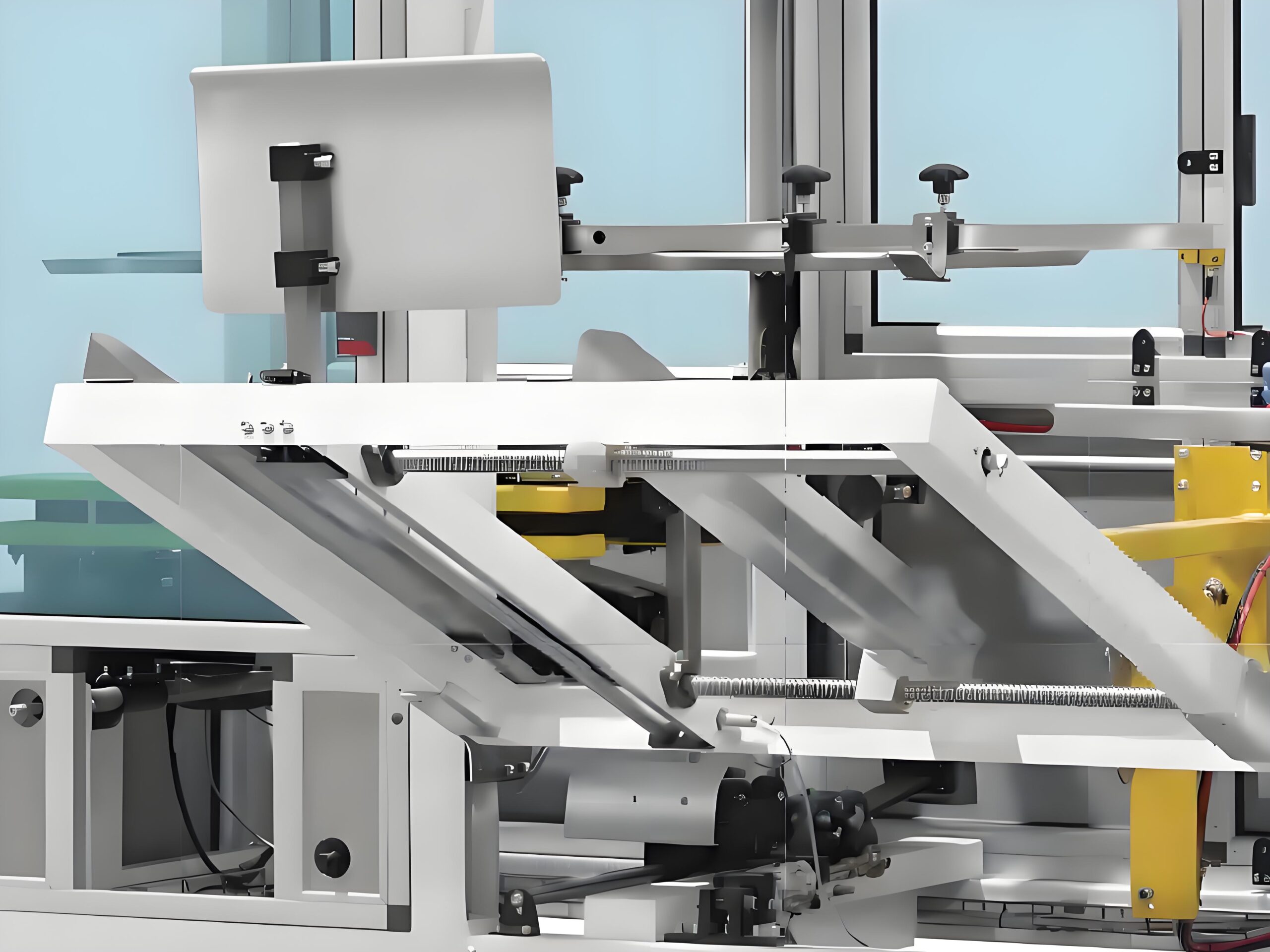
Recognizing the signs that indicate a need for automating packaging processes is crucial for businesses aiming to enhance efficiency and competitiveness. Key indicators include increased production
Reducing labor dependency in forming operations can lead to significant improvements in efficiency and cost-effectiveness. Traditional press brake processes for large formed parts often require mul
Stop guessing and bring complete clarity to your end-of-line performance. End-of-line testing is the final, most critical quality gate before shipment, protecting product quality, lowering warranty
Email to this supplier